Perfume / Guerlain
Guerlain Shalimar
Guerlain Shalimar is a perfume reference from Guerlain, introduced in 1925 and now studied as much for context as for status. Luxmode treats it as a collectible profile: design codes first, market vocabulary second, and no unsupported claims about investment value, authentication, or hands-on ownership.
Why It Matters
Guerlain Shalimar matters because it gives the perfume shelf a shared reference point. A reader may arrive because the name is famous, but the useful question is more precise: what does this object teach about Guerlain, its period, and the way collectors decide that one example deserves attention over another?
Luxmode profiles are written for people who want to understand before they buy. That means Guerlain Shalimar is not described as a guaranteed investment, a universal recommendation, or a shortcut to taste. It is treated as a cultural object with a design vocabulary, a market vocabulary, and a set of practical ownership questions that should be answered carefully.
History
The collecting story around Guerlain Shalimar starts with Guerlain, France, and the 1920s-present context in which the model became recognizable. The commonly cited introduction year is 1925, but a good reference page should avoid turning a single date into the whole story.
What matters for readers is how the object became durable beyond launch season. Some luxury pieces survive because they solved a practical problem; others survive because their proportions, materials, or associations became shorthand for a whole category. The history section is therefore a map, not a myth: it records what should be checked, what changed over time, and where deeper article research should continue.
Design Codes
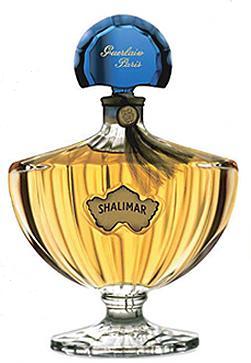
The design language of Guerlain Shalimar should be read through olfactory structure, bottle language, label typography, house codes, concentration, materials story, drydown behavior, and the cultural memory attached to the scent. Those details matter because collectible objects are often compared through small differences, not only through brand name or headline popularity.
A strong example normally looks coherent: the visible parts should make sense together, the materials should suit the period, and the object should not depend on a seller's hype to explain why it is recognizable. Luxmode avoids using generated images as documentary proof; hosted images are editorial atmosphere unless a credit explicitly says otherwise.
Key Variants
Key variants for Guerlain Shalimar should be researched through concentration, bottle design, batch period, flanker, limited edition, reformulation era, sealed versus opened condition, fill level, and storage evidence. Variant language is useful because it helps readers understand why two listings with the same model name may sit in very different collecting conversations.
This profile does not rank every variant as better or worse. Instead, it asks readers to separate stable facts from market mood: production period, documented configuration, condition, completeness, and whether the variant actually suits the intended use. A rare version can still be a poor buy if the example is weak, altered, or poorly documented.
Buying Context
For Guerlain Shalimar, collectors compare formula period, concentration, batch context, bottle condition, storage history, reformulation discussion, and whether a scent is being bought to wear, archive, or study. The strongest buying process starts with the object itself, then the documents, then the seller, then price. Reversing that order often leads people to rationalize a purchase because the name feels collectible.
Luxmode does not provide authentication, appraisal, investment, legal, or tax advice. A serious buyer should compare multiple sources, request clear photographs, keep written seller claims, and use qualified specialists when condition or authenticity materially affects value. The goal is not fear; it is patience.
Care and Storage
Care and storage for Guerlain Shalimar should be planned before ownership. Useful habits include cool dark storage, stable temperature, upright bottles, avoiding bathroom humidity, minimizing air exposure, and recording batch or purchase notes for collectible bottles. These are ordinary disciplines, but ordinary disciplines are what keep collectible objects from becoming expensive regrets.
The right care also depends on whether the piece will be used, worn, driven, displayed, or archived. Luxmode generally favors honest preservation: maintain the object, document the work, and avoid cosmetic shortcuts that make a listing look cleaner while making its history less legible.
Authentication and Risk Notes
The main risks around Guerlain Shalimar include counterfeit bottles, spoiled juice, vague vintage claims, overpaying for a hyped batch, confusing reformulation debate with guaranteed superiority, and ignoring shipping restrictions. These risks do not make the object bad; they make the research process important. A profile is only useful if it names uncertainty instead of smoothing it away.
Readers should be especially cautious with language that sounds precise but is not backed by evidence: "investment grade," "museum quality," "rare," "collector owned," "mint," or "all original" can mean very different things across sellers and categories. Good documentation beats confident adjectives.
Price Context
Price context for Guerlain Shalimar should be read through retail price, discontinued status, batch desirability, sealed condition, bottle size, fill level, regional availability, shipping limits, and the difference between asking price and actual sale. A public asking price is not the same as a completed sale, and a single high result does not define fair value for every later example.
Luxmode treats prices as context, not promises. Markets can move because of supply, exchange rates, fashion cycles, celebrity attention, dealer inventory, auction timing, restoration cost, and broader economic mood. Readers should compare like with like and document why a particular example deserves its premium before paying it.
Sources and Image Credits
- Guerlain official reference - Official brand or maker source used for baseline terminology; market claims require additional sources.
- The Osmotheque - Fragrance heritage and preservation context.
- International Fragrance Association - Industry context for fragrance standards and materials discussion.
- Perfume Shalimar - Wikimedia Commons image by Gonna Fly Now; CC BY-SA 2.0. Verify license and trademark context before reuse outside Luxmode.
Related Reading
More profiles and guides connected to this shelf.